%20(1).png)
How compliance drives B2B sales success: a leader's guide
Discover how compliance drives B2B sales success. Learn proven strategies to integrate compliance into sales processes, reduce risks, and build client trust.
Many sales leaders view compliance as a bureaucratic barrier that slows deal velocity and restricts their team’s agility. This misconception costs organizations millions in lost deals, damaged reputations, and regulatory penalties. In reality, compliance serves as a strategic enabler that protects your sales integrity, builds client trust, and creates sustainable competitive advantages across diverse industry portfolios. This guide reveals how integrating compliance into your sales processes mitigates risks while accelerating outcomes, giving you actionable frameworks to balance regulatory adherence with ambitious revenue goals.
Table of Contents
- Key takeaways
- What is compliance and why it matters in B2B sales
- How compliance integrates into the B2B sales process
- Comparing compliance approaches: manual vs digital-enabled B2B sales
- Best practices for embedding compliance into your sales strategy
- Explore Uman’s platform for compliance-driven B2B sales excellence
- Frequently asked questions
Key Takeaways
PointDetailsCompliance as enablerCompliance protects sales integrity, builds client trust, and enables sustainable competitive advantage across industries.Integrate into processesEmbedding compliance at prospecting through onboarding reduces risk and speeds deal closure.Digital compliance toolsDigital platforms empower teams to manage regulatory requirements without sacrificing agility.Education and onboardingRegular training and onboarding refreshes keep teammates current with changing rules and improve performance.Strategic alignmentAligning compliance with sales strategy enhances client trust and supports long term success.
What is compliance and why it matters in B2B sales
Compliance in B2B sales encompasses the laws, regulations, industry standards, and internal policies that govern how you engage prospects, structure deals, and deliver services. It ranges from data privacy requirements like GDPR to sector-specific regulations in healthcare, finance, and manufacturing. For sales leaders managing complex portfolios across multiple industries, compliance represents the framework ensuring every client interaction meets legal and ethical standards.
Why does this matter so critically in B2B environments? Your reputation hinges on it. A single compliance failure can trigger regulatory fines reaching millions, terminate lucrative contracts, and damage relationships built over years. When you sell IT services to financial institutions, telecommunications solutions to healthcare providers, or consulting services to government agencies, each sector brings distinct compliance obligations. Your sales team must navigate this complexity while maintaining the agility needed to close deals.
The risks of ignoring compliance extend beyond immediate penalties. Consider the cascading effects: lost client confidence, restricted market access, increased insurance costs, and the opportunity cost of deals your team cannot pursue due to compliance gaps. Organizations with employee education for compliance embedded in their sales processes consistently outperform competitors who treat compliance as an afterthought.
Complexities multiply when managing diverse industry portfolios. Your team selling to both defense contractors and advertising agencies must understand vastly different regulatory landscapes. Global operations add another layer, requiring knowledge of varying international standards and cross-border data transfer rules. This creates significant knowledge management challenges that traditional training approaches struggle to address.
Pro Tip: Prioritize compliance training during onboarding and refresh it quarterly to keep your sales team ahead of regulatory changes and confident in client conversations.
How compliance integrates into the B2B sales process
Compliance touchpoints appear throughout your sales cycle, from initial prospecting through contract renewal. Understanding where compliance matters most helps you build processes that protect deals rather than delay them. Each phase presents specific compliance considerations that, when handled proactively, strengthen your position and accelerate closure.
Five critical compliance checkpoints demand your attention:
- Prospecting and qualification: Verify you can legally serve the prospect’s industry and geography, ensuring your outreach methods comply with anti-spam regulations and data collection rules.
- Proposal development: Confirm all claims, pricing structures, and service descriptions meet regulatory standards and internal approval requirements before presenting to clients.
- Negotiation and contracting: Review terms for regulatory adherence, liability limitations, and service level agreements that protect both parties while meeting industry standards.
- Deal closure and onboarding: Complete required documentation, background checks, and compliance certifications before service delivery begins.
- Ongoing account management: Monitor regulatory changes affecting existing clients and proactively adjust service delivery to maintain compliance.
These checkpoints integrate seamlessly when supported by deal execution platform capabilities that automate routine compliance tasks. Digital tools provide real-time visibility into compliance status, flagging potential issues before they derail deals. This shifts compliance from a reactive bottleneck to a proactive advantage.
How does this build client confidence? When prospects see your structured compliance approach, they recognize a partner who will protect their interests and minimize their risk exposure. This becomes especially powerful in regulated industries where compliance failures create existential threats. Your ability to demonstrate compliance readiness often determines whether you even make the shortlist.
Sales PhaseCompliance FocusBusiness ImpactProspectingData privacy, outreach regulationsProtects brand reputation, ensures sustainable lead generationProposalAccurate claims, pricing complianceReduces contract disputes, accelerates approval cyclesNegotiationRegulatory terms, liability managementMinimizes legal exposure, builds client trustClosingDocumentation, certificationsEnables smooth onboarding, reduces implementation delaysAccount ManagementOngoing monitoring, adaptationStrengthens retention, identifies expansion opportunities
The role of account management platform technology extends beyond tracking compliance dates. Advanced systems analyze regulatory changes, map them to affected clients, and generate action plans for your team. This proactive approach transforms compliance from a cost center into a revenue enabler by identifying expansion opportunities within compliant frameworks.
Pro Tip: Use technology to create compliance checklists specific to each industry you serve, ensuring consistent execution across your entire sales team regardless of deal complexity.

Comparing compliance approaches: manual vs digital-enabled B2B sales
Traditional manual compliance management relies on spreadsheets, email chains, and individual knowledge to track requirements and approvals. This approach creates vulnerabilities: missed deadlines, inconsistent application of policies, and documentation gaps that surface during audits or disputes. When your team operates across multiple time zones and industries, manual processes cannot scale without introducing unacceptable risk.

Manual compliance shows these characteristic weaknesses. Information silos develop as different team members maintain separate tracking systems. Version control becomes problematic when contract templates and compliance guidelines update. Response times lag because approvals require sequential email exchanges rather than parallel workflows. Perhaps most critically, you lack real-time visibility into your organization’s overall compliance posture.
Digital platforms fundamentally change this equation by centralizing compliance data, automating routine checks, and enabling collaborative workflows. A digital compliance platform provides accuracy through standardized processes, real-time tracking that shows exactly where each deal stands, and audit trails that document every compliance decision. These capabilities prove essential when regulators request evidence of your compliance procedures.
How does digital compliance enhance sales velocity? Automation eliminates waiting periods for routine approvals. Stakeholder alignment improves because everyone accesses the same real-time information. Your team spends less time searching for documentation and more time engaging clients. The confidence that comes from knowing compliance requirements are met allows faster decision making at critical junctures.
AspectManual ComplianceDigital-Enabled ComplianceAccuracyProne to human error, inconsistent applicationStandardized processes, automated validationSpeedSequential approvals, email delaysParallel workflows, instant notificationsVisibilityFragmented across spreadsheets and inboxesCentralized dashboard with real-time statusScalabilityBreaks down as team and portfolio growHandles complexity without adding headcountAudit ReadinessManual compilation of scattered recordsInstant generation of comprehensive audit trailsKnowledge ManagementDependent on individual expertiseCentralized, accessible to entire team
Challenges exist in adopting digital compliance solutions. Integration with existing CRM and document management systems requires technical planning. Change management becomes critical as team members transition from familiar manual processes to new platforms. Initial setup demands investment in configuring workflows, migrating historical data, and training users.
Key factors for selecting a compliance platform include integration capabilities with your current tech stack, customization options to reflect your specific industry requirements, user interface simplicity that encourages adoption, robust security meeting enterprise standards, and vendor support during implementation and beyond. Organizations managing diverse portfolios need platforms flexible enough to handle varying compliance frameworks without requiring separate systems for each industry.
Best practices for embedding compliance into your sales strategy
Systematic integration of compliance into your sales strategy starts with clear policies aligned to business objectives. Your compliance framework should enable revenue growth, not restrict it. This means designing policies that provide guardrails while preserving the flexibility your team needs to respond to unique client situations. Document these policies in accessible formats and ensure every team member understands both the rules and the reasoning behind them.
Implement these proven strategies to embed compliance effectively:
- Establish compliance champions within each sales team who develop deep expertise and serve as first-line resources for colleagues facing compliance questions.
- Create deal review checkpoints at proposal, negotiation, and closing stages where compliance verification occurs before proceeding to the next phase.
- Build compliance considerations into your CRM workflows so reps cannot advance opportunities without completing required compliance steps.
- Develop industry-specific playbooks that translate general compliance requirements into practical guidance for common sales scenarios your team encounters.
- Institute regular compliance audits of closed deals to identify patterns, address gaps, and recognize team members who exemplify compliant selling.
Ongoing training keeps your sales team informed as regulations evolve and your service portfolio expands. Quarterly sessions work better than annual marathons because they allow focused exploration of specific topics. Mix formats between formal presentations, case study discussions, and interactive scenarios where reps practice applying compliance principles to realistic situations. This continuing education approach ensures knowledge retention and practical application.
Leverage digital tools to monitor and enforce compliance without creating bureaucratic overhead. Automated alerts notify relevant stakeholders when compliance actions need attention. Dashboard analytics reveal which compliance requirements cause the most delays, allowing you to streamline those processes. Integration between compliance platforms and your sales operating system creates seamless workflows where compliance becomes invisible to clients while remaining rigorous behind the scenes.
Create feedback loops between compliance and sales leaders to continuously improve processes. Monthly reviews should examine compliance-related deal delays, client questions about your compliance capabilities, and competitive situations where compliance became a differentiator. This collaborative approach, exemplified by compliance-centered sales approaches, ensures policies evolve based on real-world experience rather than theoretical concerns.
Pro Tip: Foster a culture where compliance is seen as enabling, not restricting, sales by celebrating examples where strong compliance practices won deals or prevented costly mistakes.
Explore Uman’s platform for compliance-driven B2B sales excellence
The frameworks and strategies outlined in this guide come to life through purpose-built technology designed for complex B2B sales environments. Uman offers a comprehensive compliance digital platform that integrates compliance seamlessly into your sales workflows, eliminating the tension between regulatory adherence and sales velocity.
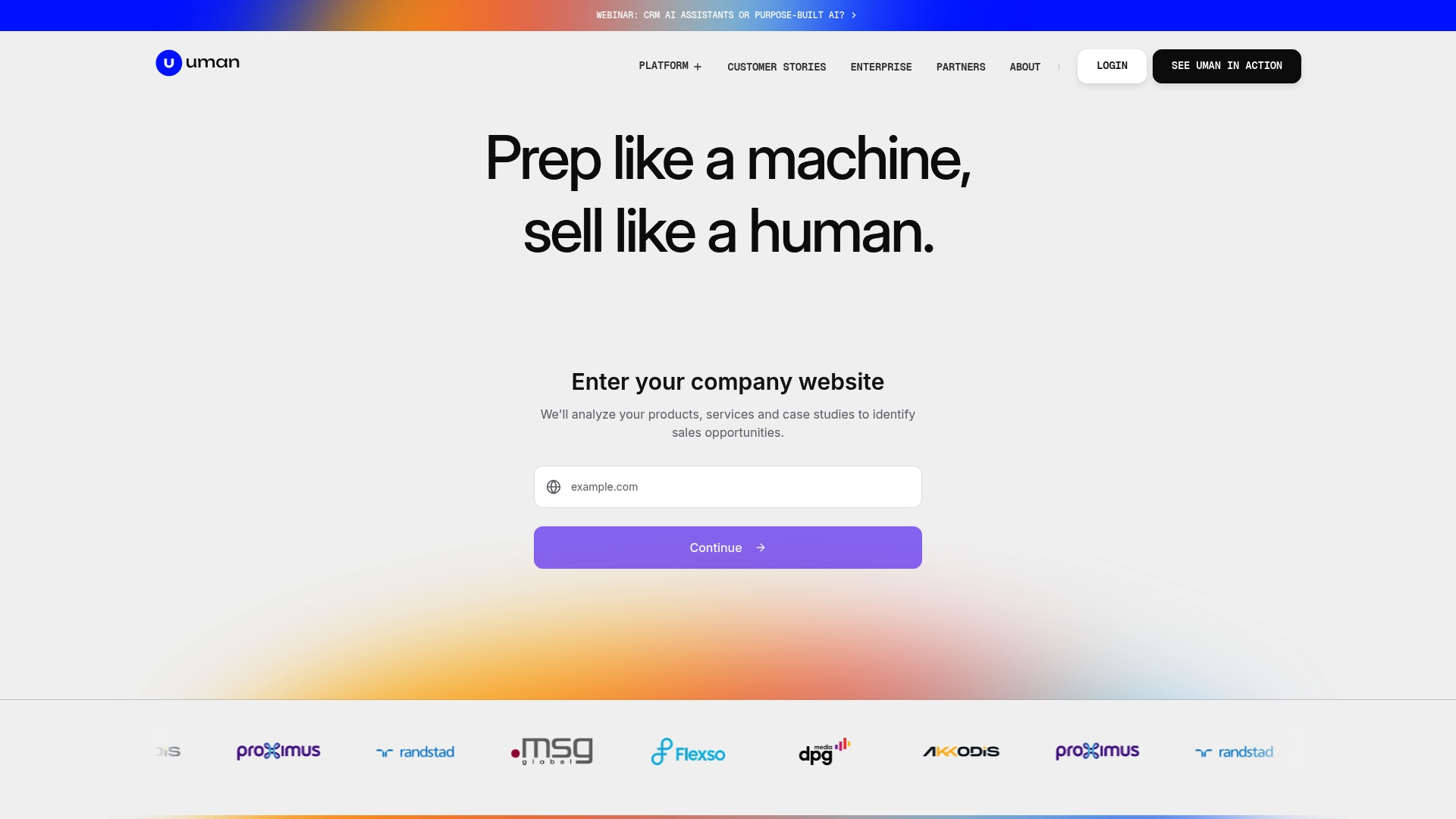
Our deal execution capabilities automate compliance checkpoints at every sales stage, ensuring your team never misses critical requirements while maintaining the agility to respond quickly to client needs. Combined with account management tools that monitor regulatory changes and identify compliant expansion opportunities, Uman transforms compliance from a cost center into a competitive advantage. Discover how leading organizations achieve compliance that simultaneously drives growth and reduces risk.
Frequently asked questions
What are common compliance challenges in B2B sales?
Sales teams struggle most with keeping current on evolving regulations across multiple industries they serve. Documentation requirements often feel burdensome, creating friction in fast-moving deal cycles. Inconsistent application of compliance policies across different reps and regions introduces risk. Technology adoption obstacles include integration complexity and resistance to changing established workflows.
How can sales leaders ensure compliance without slowing down deals?
Implement digital compliance tools that automate routine checks and approvals, eliminating waiting periods that delay closure. These platforms provide instant visibility into compliance status, allowing parallel processing rather than sequential reviews. Train teams continuously to embed compliance habits that become second nature, reducing the cognitive load and decision time required for each compliance consideration.
What role does employee education play in sales compliance?
Education ensures your team understands changing regulations and internal policies before they impact client interactions. Well-trained teams make fewer errors that require costly remediation and enhance client confidence through knowledgeable, compliant engagement. Ongoing education also empowers reps to identify compliance-related selling opportunities where your superior adherence becomes a competitive differentiator.
Which industries require the strictest B2B sales compliance adherence?
Healthcare, financial services, and defense sectors face the most stringent regulatory frameworks due to the sensitive nature of data and services involved. Manufacturing and professional services also encounter significant compliance requirements, particularly around quality standards and licensing. Sales leaders should tailor their compliance approaches to sector-specific requirements rather than applying one-size-fits-all policies that either over-restrict low-risk situations or under-protect high-risk engagements.
How do digital platforms support ongoing compliance monitoring?
Platforms provide automated alerts when regulatory changes affect your client base or service offerings, ensuring proactive rather than reactive responses. Centralized documentation creates comprehensive audit trails that demonstrate compliance during reviews or disputes. Real-time dashboards enable faster corrective action by highlighting compliance gaps before they escalate into serious issues, while advanced analytics identify patterns that inform continuous improvement of your compliance processes.
Recommended

Prep like a machine, sell like a human
Let AI handle the research and prep work — you focus on building relationships and closing deals.