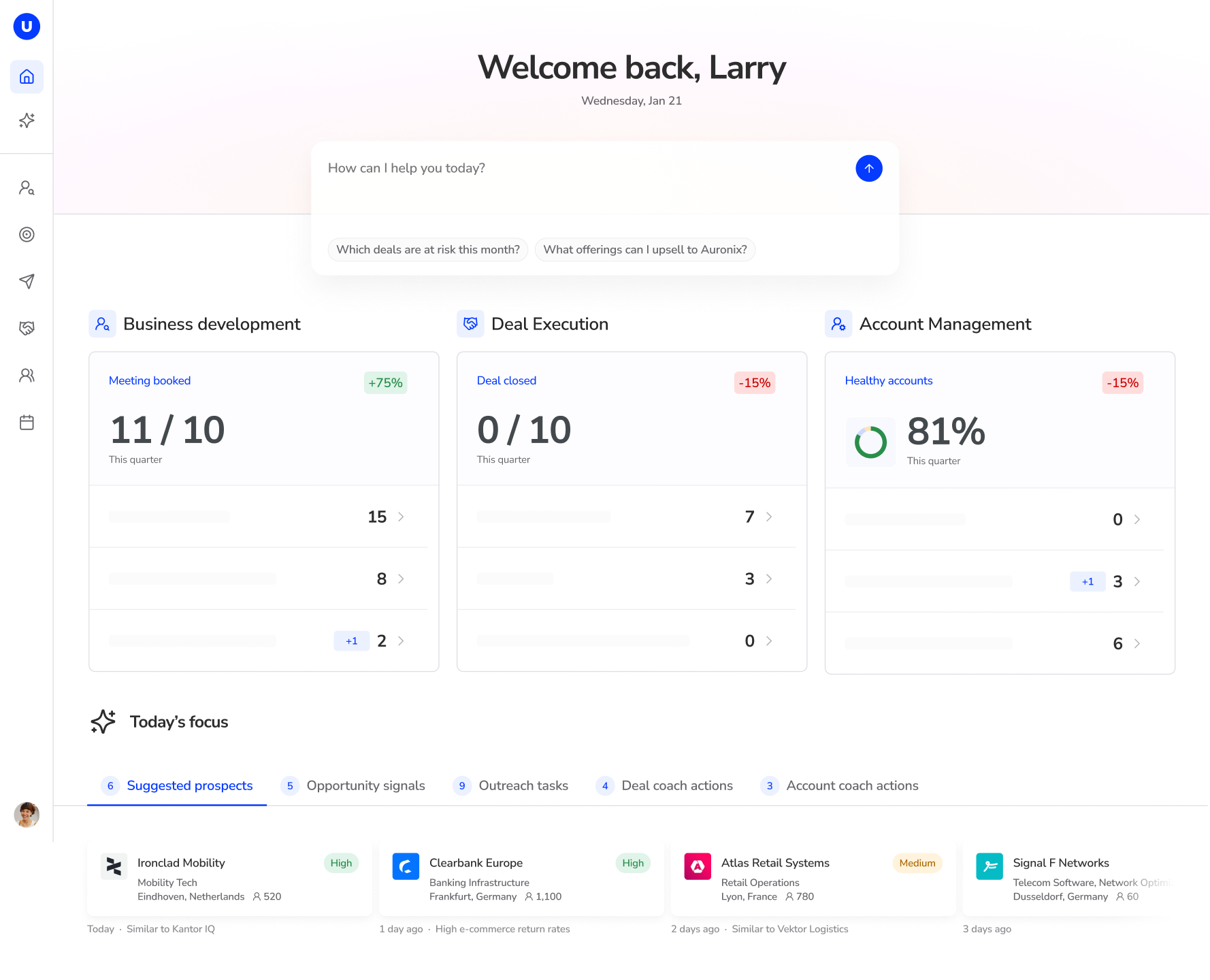
%20(1).png)
Why AI for sales keeps failing at the Org Level
1. Most AI in sales is built for one person. That's the problem.
The "are we doing AI?" conversation is over. Every sales organization of any size has rolled it out, trained the team, written a policy, and shown the board a deck full of adoption metrics.
The "is it actually working?" conversation is just getting uncomfortable.
Almost every AI tool sold to sales is designed around an individual user. The shortcut everyone is reaching for right now is to wire a few of those workflows together in-house. A prep agent here, a CRM summarizer there, a custom GPT for the portfolio team, ... It clears the backlog of obvious automations and looks like progress on the slide.
Two things tend to surface a quarter later.
1. Nobody owns it long-term
There's no internal role whose job is to maintain a stack of bespoke agents alongside everything else, and the people who built them have moved on to the next thing.
2. The sales team doesn't operate it anyway
Sellers do today what they did yesterday: reach for the chatbot already living in the tool on their screen. And the bespoke stack quietly drifts.
The unit of value in a commercial organization is the whole team, not the individual, and a stack of internal automations nobody maintains and nobody actually uses is still fifty parallel workflows wearing a coat.compounding. And, focus is key to a strong working strategy.
2. Here are the four leaks to fix:
The list looks roughly the same across every B2B services org we work with:
A. The seller in the field
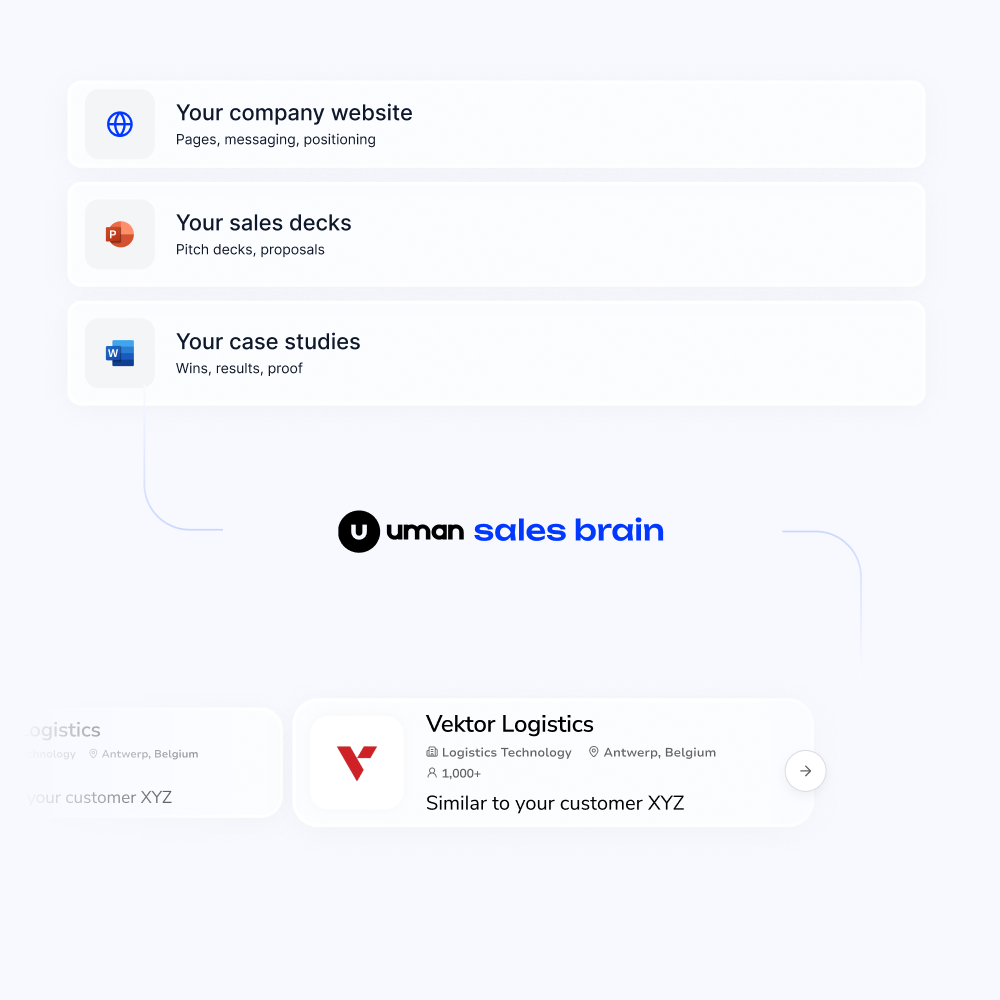
Carries too much portfolio to know. They default to selling what they understand, stay reactive, and rarely apply the consultative selling everyone agreed was the standard.
uman fixes this by turning your own positioning, decks, and case studies into a brief built around the specific account the seller is about to meet. Consultative selling becomes the default behavior instead of a quarterly aspiration.
B. The sales manager
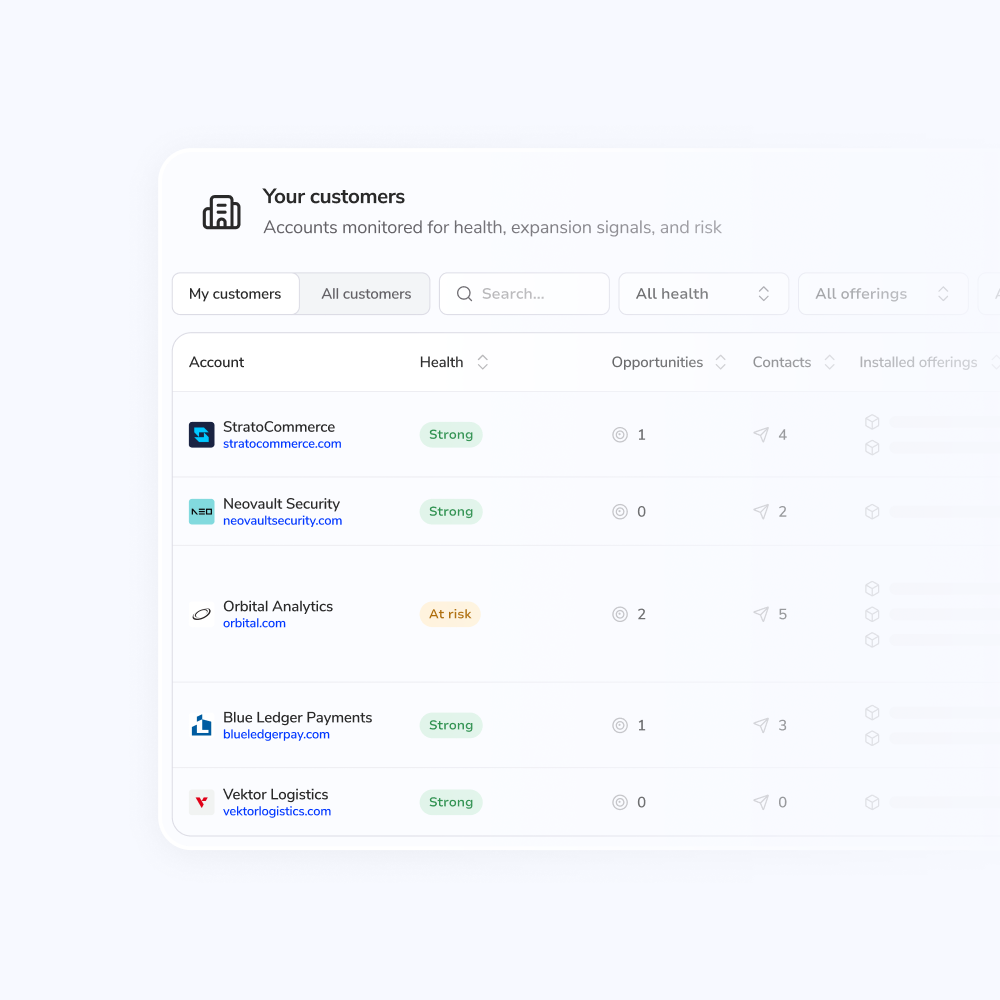
Is steering on data that sellers self-reported into the CRM. Closed-lost reasons are guesses. Coaching follows whoever shouted loudest in the last 1:1. Forecasts get negotiated, not calculated.
uman fixes this by showing the manager which accounts are healthy, which are at risk, and which are ready to expand based on what's actually being said in conversations. Coaching follows the data and forecasts stop being a negotiation.
C. The portfolio manager
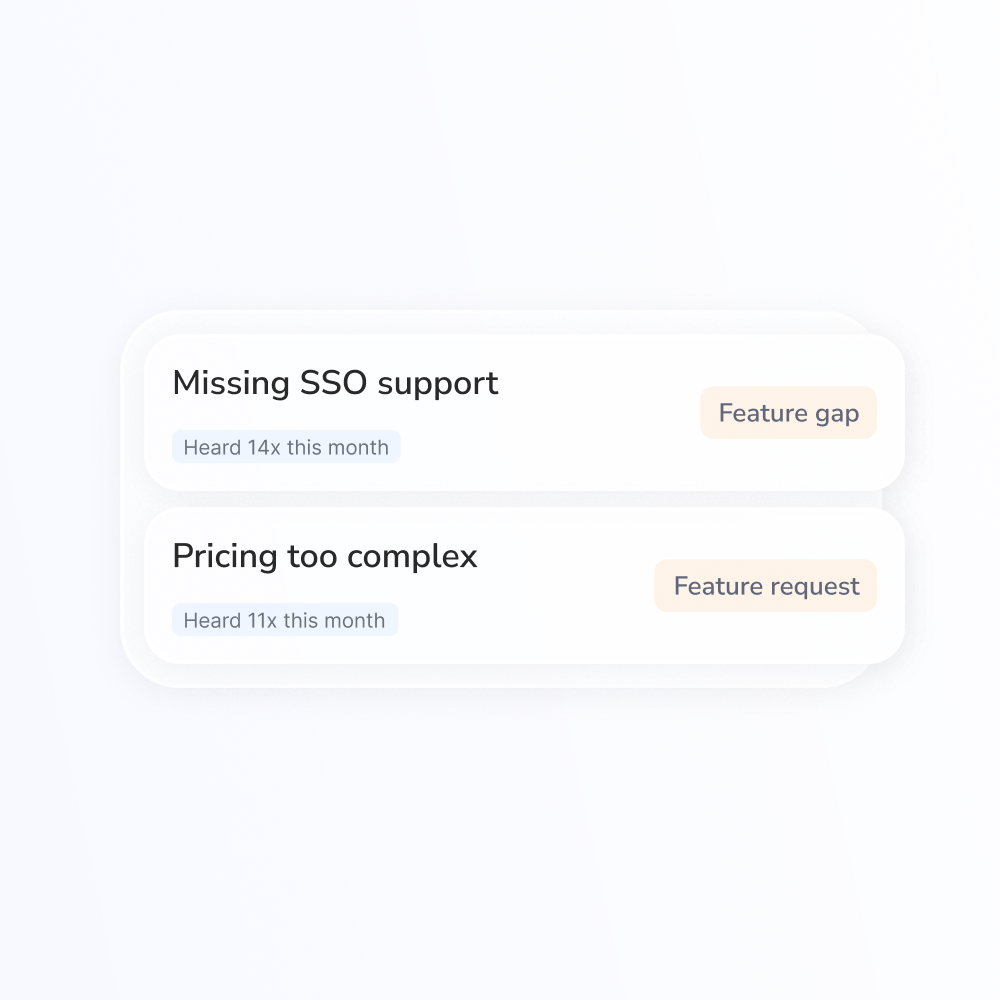
Ships new services with no real visibility into what's being positioned in the field, by whom, what customers are asking for, or where competitors are blocking deals. Portfolio decisions get made on intuition.
uman fixes this by giving the portfolio team a live read on what's being positioned, what customers keep asking for, and where competitors are blocking deals. Portfolio decisions get made on evidence, not intuition.
D. The leadership team
Sets a direction and pivots where needed by the time it reaches the next customer conversation.
uman fixes this by giving leadership a continuous read on whether the strategy is actually landing in customer conversations. — Direction-setting becomes a live feedback loop, not a quarterly broadcast.
None of this is news. Most leaders have already tried to fix each one independently, a new enablement program for the seller, a forecasting tool for the manager, a quarterly field survey for the portfolio team, an off-site to reset the strategy.
The good news: you can fix all 4 problems in one fell swoop
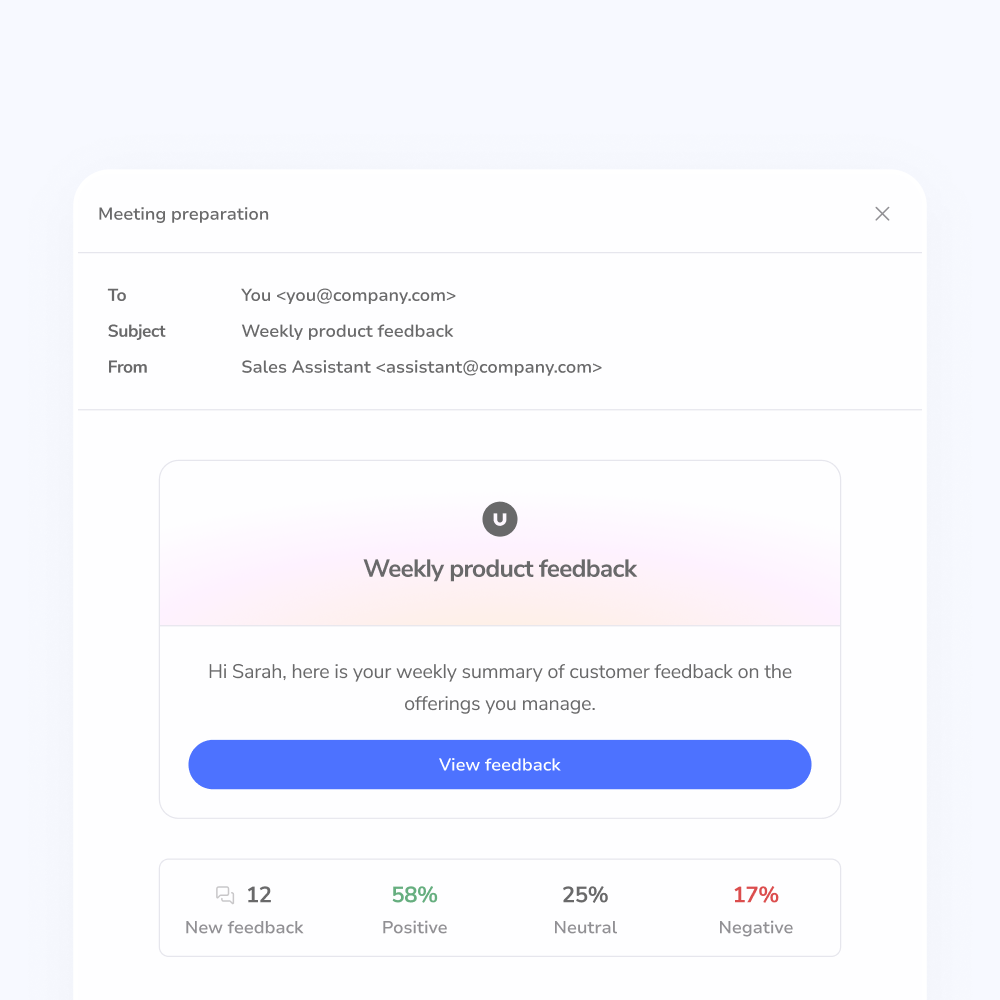
The seller is reactive because the portfolio team can't sharpen what they're selling. The forecast is unreliable because the manager has no signal from real conversations. The portfolio team flies blind because nothing flows back from the field. The strategy gets diluted because none of the layers below it are connected.
Fix one in isolation, and the other three pull it back to baseline.
3. Build a shared brain

What actually closes the loop is one shared system that work for every role.
- The same source of truth about the portfolio
- The same definition of a qualified opportunity
- The same record of what's been said to which customer
- The same view of what's moving in the market
All of this working in sync, together.
When the portfolio team updates the positioning of a service, every seller is briefed on the new version before their next customer call. When a manager looks at the forecast, the probability comes from the actual content of the conversations — not a self-reported guess. When leadership shifts the year's priorities, the configuration of the system shifts with them.
A brain that doesn't learn is just a database
Every conversation a seller has with a customer becomes input back into the brain. The brain takes the signal from one conversation and reshapes how every other seller is prepared for theirs. The portfolio team gets a continuous read on what the market is actually saying. The sales manager sees patterns across the team without anyone writing them down. The system the leadership configured in January is, by June, a noticeably different system, because four months of customer conversations have trained it.
This is also why an internally-built stack of assistants doesn't get you here. You can ship the features. You can't ship four years of customer conversations training the system, a portfolio team's positioning flowing into every seller's next call before they take it, and a closing loop that quietly reshapes how the whole organization sells every week. That isn't a build problem. It's a transformation, and transformations don't ship in a sprint.
The goal:
A commercial organization that learns from itself, in the background, every day.
The best-performing teams in 2026 won't be the ones with the most AI seats. They'll be the ones whose AI has been learning the longest.
5. The metrics you need to track:
- Forecast accuracy: managers stop negotiating numbers and start defending them, because deal probability is built on the actual content of customer conversations — not seller optimism, manager pattern-matching, or whatever was last entered in the CRM.
- Win rate: sellers walk into meetings prepared on the full portfolio and the specific account, with the right messaging for the buyer they're sitting across from. Consultative selling becomes the default behavior, not a quarterly aspiration. New hires reach senior-level performance in months, not years.
- Portfolio mix: what gets sold shifts towards what the company actually needs to sell — strategic services, higher-margin offerings, the newly-launched lines that used to take a year to gain traction. The portfolio team finally sees what's being positioned, by whom, and where the gaps are, and adjusts in weeks instead of planning cycles.
- Average deal size: sellers position more of the portfolio in each opportunity because they have it at their fingertips. Cross-sell and up-sell stop being end-of-quarter campaigns and become a default motion. Single-line deals turn into multi-line ones.
That's the difference between AI as a productivity layer and AI as a commercial operating system. One makes individuals slightly faster. The other moves the metrics the board actually asks about.

Prep like a machine, sell like a human
Let AI handle the research and prep work — you focus on building relationships and closing deals.